16,809 Units Pulled After STURDY Act Violation
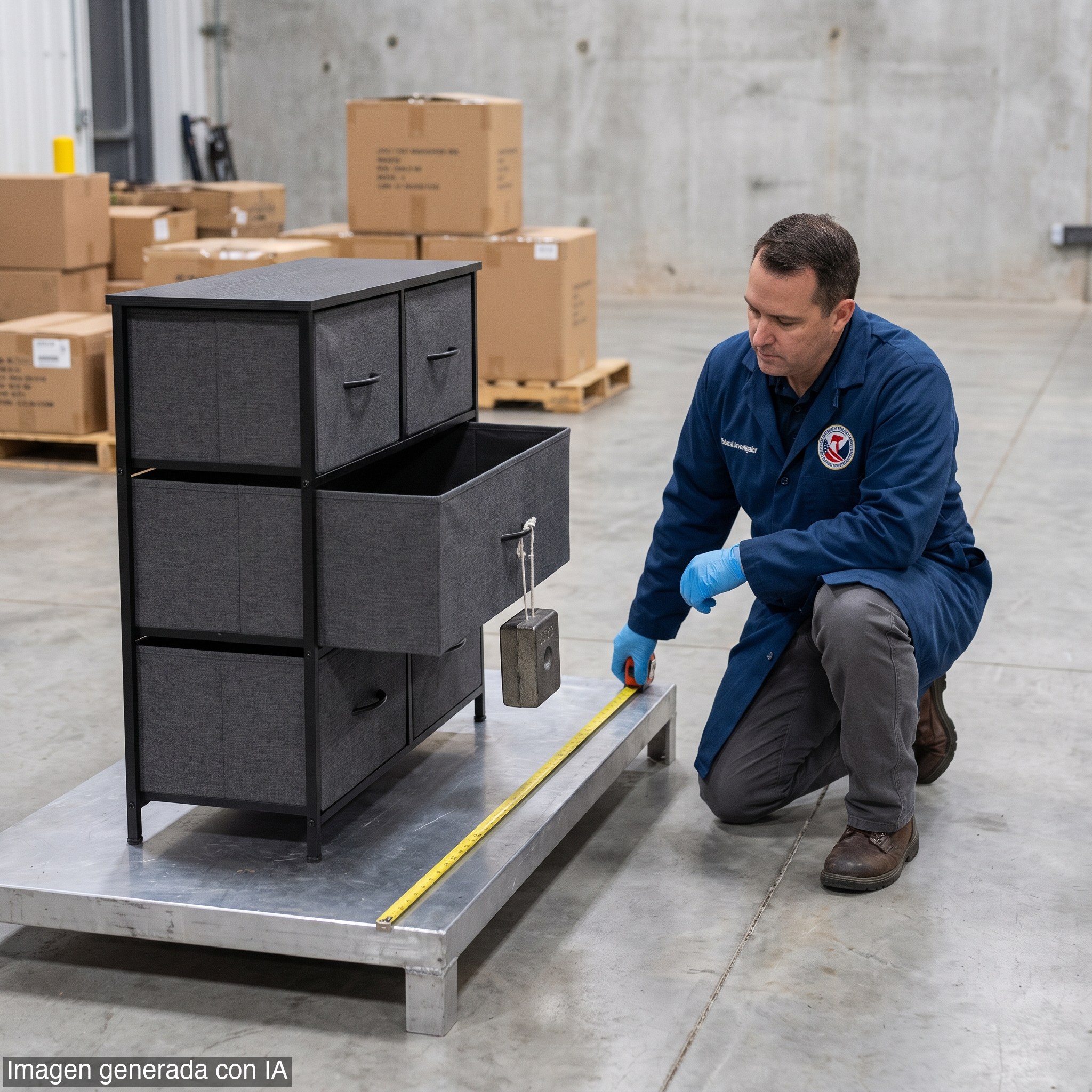
The Consumer Product Safety Commission announced Thursday the recall of approximately 16,809 EnHomee 9-Drawer Fabric Dressers sold through Walmart.com, citing failure to meet mandatory federal stability standards enacted under the STURDY Act — a law specifically designed to prevent furniture tip-over deaths involving children.
The units are unstable when not anchored to a wall, creating tip-over and entrapment hazards that the CPSC says could result in serious injury or death to children. No injuries or incidents have been reported to date.
The Product, the Seller, the Price
The recalled dressers were sold exclusively on Walmart.com by third-party seller Raybee-Direct between September 2023 and March 2026 at approximately $80 per unit. They came in white, brown, gray and black, featuring nine fabric drawers on a metal frame. Only units ordered before March 30, 2026, are covered by the recall.
The dressers were manufactured in China by Xuzhou Mingquanhe Household Co., Ltd. and imported by Changsha Yiman Keji Youxian Gongsi, doing business as Raybee-Direct.
What Consumers Must Do
The CPSC is directing consumers to stop using the dressers immediately if they are not anchored to a wall and to move them to areas inaccessible to children. To receive a full refund, consumers must contact Raybee-Direct and submit a photo confirming the dresser has been disposed of. Consumers can reach the company at RaybeeRecall@outlook.com for disposal and refund instructions.
FOX Business reported it has reached out to both Walmart and Raybee-Direct for comment.
The Numbers Come First
Nearly 16,800 units sold over roughly two and a half years at $80 apiece — that is more than $1.3 million in retail value moving through Walmart's third-party marketplace without meeting a federal safety floor that Congress made mandatory. The STURDY Act exists precisely because furniture tip-overs have killed children, and the law sets a clear, non-negotiable bar.
The episode is a reminder that the marketplace's openness to third-party sellers — a genuine engine of competition and low prices — carries a compliance obligation that runs all the way back to the factory floor in China. When that chain breaks, it is American families, not bureaucrats, who absorb the risk. The right answer is not more regulatory sprawl; it is rigorous enforcement of the standards already on the books, and accountability for every importer who puts a non-compliant product in front of a child.